British Gym Wear Has Become So Technically Advanced That Sweating in It Now Feels Like a Hate Crime
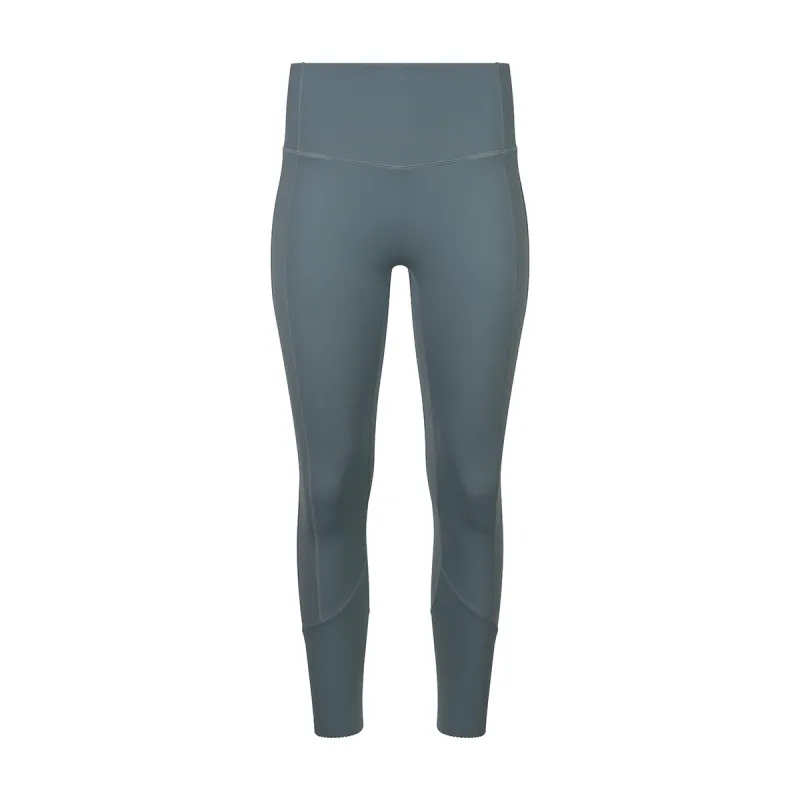
Photo: luxury activewear leggings women yoga studio boutique fitness UK, via www.activewearproductions.com
Somewhere between the invention of the squat-proof waistband and the arrival of the £148 sports bra, something went quietly, irreversibly wrong. Activewear — a category that once existed solely to prevent chafing and absorb moisture — has become the most financially demanding sector of British women's fashion, a place where four-figure 'gym wardrobes' are assembled with the strategic rigour of a military campaign and the question 'but can I actually move in it?' has been entirely replaced by 'but does it come in Dusty Aubergine?'.
We are, to use the technical term, in a situation.
How We Got Here: A Brief, Painful History
Cast your mind back, if you can bear it, to the early 2000s. Gym wear was a pair of Nike shorts you'd had since sixth form and a cotton T-shirt from a 10K you completed in 2007 and have been dining out on ever since. It became wet during exercise. You washed it. You wore it again. No one photographed it. No one needed to.
Then something happened. Lululemon arrived in the UK wearing the expression of a brand that knows exactly what it's doing and has absolutely no intention of stopping. Sweaty Betty — bless it, genuinely British, genuinely excellent — had been quietly building a following of women who referred to their workout clothes as a 'collection' and meant it. And then the boutique brands arrived: the small-batch, London-based, oat-coloured athleisure labels with names like Varley, TALA, and Adanola, each producing garments so beautifully constructed, so thoughtfully designed, so deeply unnecessary for the purpose of a Tuesday spin class that the act of exercising in them began to feel, at best, presumptuous.
By 2024, the average British woman who considers herself 'into fitness' owns approximately £800 of activewear and attends the gym four times a month. The maths is not working in anyone's favour.
The Leggings That Cost More Than a Gym Membership
Let us discuss the leggings. Specifically, let us discuss the Lululemon Align Pant, which retails at £98 and has accumulated such a devoted following that women speak of them the way medieval pilgrims spoke of sacred relics. They are, by all accounts, exceptional leggings. They are also £98. The average monthly gym membership in the UK is approximately £40. This means that a single pair of leggings costs two and a half months of access to the facility in which you would theoretically wear them.
This is not a rational economic situation. It is, however, an extremely common one.
Sweaty Betty's Power leggings — equally beloved, equally expensive, equally likely to be worn primarily on the school run and to Waitrose — come in at £95. Varley's equivalent offering hovers around £90. TALA, which positions itself as the ethical option and therefore the one you buy when you want to feel virtuous about spending £75 on compression fabric, rounds out the tier.
Women buy all of them. Women buy all of them and then rotate them based on mood, occasion, and what the outfit requires in terms of waistband height. There is a woman in every Pilates class in Britain who has given more thought to her legging selection than to her pension contributions, and she is not wrong to do so, because at least the leggings are visible.
The Sports Bra Has Become a Statement Piece and This Is Everyone's Problem
The sports bra's evolution from functional undergarment to primary fashion item is perhaps the most philosophically troubling development in contemporary activewear. It is now acceptable — expected, even, in certain postcode areas — to wear a sports bra as a top. A top. In public. To places that are not gyms.
This is fine. This is, objectively, a comfortable and practical choice. The issue is that the sports bras now being worn-as-tops cost between £55 and £110, feature architectural seaming that references actual architecture, and are available in colourways with names like 'Dusk Mauve' and 'Alpine Sage' that suggest the garment was designed to be photographed in front of a mountain rather than worn on a treadmill in Balham.
Several of these sports bras are, in the small print, listed as 'hand wash only'. A hand-wash-only sports bra is a garment that has philosophically opted out of exercise. It is cosplaying as activewear while privately being a fashion object, and it is charging you £85 for the privilege of maintaining the fiction.
Boutique Fitness Studios Have Made This Significantly Worse
The boutique fitness industry — Barry's, Psycle, 1Rebel, Frame, and approximately forty-seven other London-based studios charging £22 per class and providing dim lighting specifically designed to make everyone look like they're in a music video — has done more for the activewear economy than any single garment brand.
When you are paying £22 to exercise in a dark room with a DJ, you cannot wear the Nike shorts from 2007. You simply cannot. The social contract of the boutique studio demands a certain level of kit, and that kit begins at approximately £70 and ends wherever your overdraft does.
The instructors at these establishments — tanned, impossibly toned, wearing co-ordinated sets that appear to have been assembled by someone with a background in editorial styling — do not help. They are walking mood boards. They are the reason seventeen thousand women googled 'Alo Yoga UK stockist' during a spin class last February.
The Paradox: Too Nice to Exercise In
Here is where we arrive at the central absurdity of the entire enterprise. The activewear has become so beautiful, so carefully constructed, so genuinely lovely that an increasing number of women are reluctant to actually exercise in it. A cream Varley set — and yes, cream, someone is selling cream activewear with a straight face — is not a garment you take into a hot yoga class. It is a garment you wear to a café after a hot yoga class, ideally with a matcha latte and the quiet satisfaction of someone who technically attended.
Sweat is, when you consider it through the lens of a £148 investment piece, a form of damage. Vigorous cardiovascular exercise is not something you do to a Sweaty Betty Power Legging; it is something you do near one, in its general vicinity, in a way that maintains the garment's structural integrity and colourway.
This is why the gym bag has also been elevated — a whole separate essay — into a luxury item. Because the bag is what carries the outfit to the place where the outfit is admired before, during, and after the gentle class that barely disturbs it.
The Conclusion No One Wants to Hear
British women are spending extraordinary sums of money on clothes designed for physical activity and then, quite rationally given the cost, performing as little physical activity as possible in them. This is not a fitness crisis. It is a fashion crisis wearing a sports bra and calling itself wellness.
Lululemon, Sweaty Betty, and the entire boutique athleisure ecosystem have performed a remarkable trick: they have convinced us that the outfit is the achievement. That owning the leggings is, in some meaningful sense, adjacent to doing the workout. That looking like someone who exercises is a reasonable substitute for exercising, provided the waistband is high enough and the colourway is correctly autumnal.
This is, of course, absolute nonsense. But it is extremely well-constructed nonsense, and it comes in a very flattering fit.
My Align Pants are hanging on the back of the bedroom door. They have been there since Tuesday. They look wonderful.
Lululemon, Sweaty Betty, Varley, TALA, and Adanola are all available online. The gym is also available. The gym requires no financial planning beyond the monthly direct debit. This information is provided without comment.