The Death of a National Pastime
Something unspeakable has happened to Britain's charity shops, and we fear there may be no way back. What was once the nation's most democratic retail experience – where a retired geography teacher might unearth a vintage Hermès scarf next to a 1987 shoulder-padded blazer – has been infiltrated by the most insidious force known to modern commerce: curation.
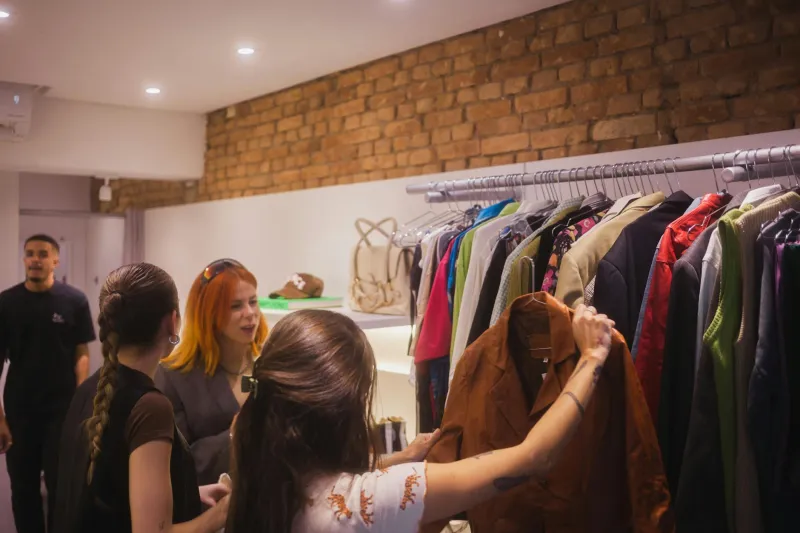
The signs were there, if we'd been paying attention. First came the colour-coordinated rails at Oxfam in Marylebone, arranged not by size or price but by what the new volunteer coordinator calls 'tonal harmony'. Then the British Heart Foundation in Cheltenham introduced weekend opening hours exclusively for their 'vintage edit', complete with velvet rope and a woman named Seraphina who asks if you have an appointment.
But it was the Cancer Research shop in Stoke Newington that delivered the final blow to our innocence. Above their menswear section now hangs a sign that reads: "Pre-Loved Gentleman's Collection: Thoughtfully Curated."
We are no longer rummaging. We are experiencing a retail journey.
The New Vocabulary of Virtue
The language shift represents nothing short of cultural vandalism. Where once we had 'second-hand clothes', we now have 'pre-loved fashion narratives'. The old 'bric-a-brac' section has been rebranded as 'lifestyle accessories and homeware stories'. Even the books are no longer simply 'used' – they're 'previously cherished literary experiences'.
"We're not just selling clothes anymore," explains Cordelia Ashworth-Pembroke, 26, who recently completed a Master's in Sustainable Fashion Curation and now volunteers at the Oxfam in Notting Hill three mornings a week. "We're facilitating conscious consumption journeys and helping customers discover their authentic pre-owned aesthetic."
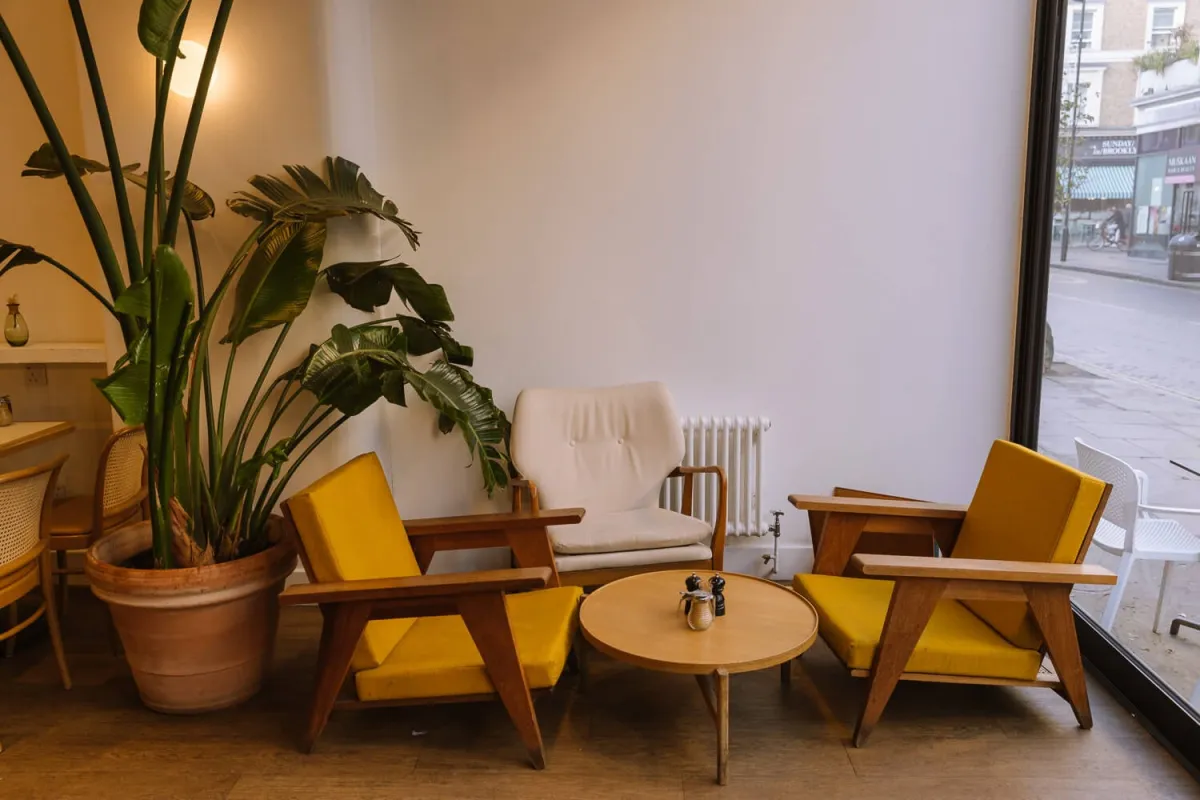 Photo: Notting Hill, via anywhereweroam.com
Cordelia, who introduces herself to customers as a 'Pre-Loved Procurement Specialist', represents a new breed of charity shop volunteer. Gone are the stalwart church ladies who could spot a designer label from across the shop floor while simultaneously pricing a toaster and explaining why everything closes at 4:30 on Wednesdays.
Instead, we have recent graduates with strong opinions about 'circular fashion ecosystems' and an alarming tendency to arrange vintage band t-shirts by 'cultural significance'.
The Gentrification Timeline
The transformation didn't happen overnight. Industry insiders trace the beginning of the end to 2019, when the first Oxfam shop installed what they called a 'discovery lounge' – essentially two armchairs and a coffee table displaying books about mindful living.
By 2021, Sue Ryder shops in affluent areas had begun hosting 'styling events' where customers could book 30-minute appointments to have their charity shop purchases 'contextualised within their existing wardrobe narrative'.
The tipping point came in early 2023, when Age Concern in Harrogate hired its first 'Visual Merchandising Volunteer' – a role that requires a portfolio and involves creating 'seasonal vignettes' in the window display.
"We're seeing a fundamental shift in how charity retail positions itself," explains Dr. Margaret Thornfield, a retail anthropologist at the University of Sheffield who has been documenting the phenomenon. "The traditional model of 'pile it high and let people dig' is being replaced by something that looks suspiciously like premium retail, just with more moral superiority."
 Photo: University of Sheffield, via 3b-impact.com
The Victims of Progress
The casualties of this transformation are numerous and heartbreaking. Take Brian Mellors, 67, a retired plumber from Rotherham who has spent every Saturday morning for the past fifteen years methodically working through the menswear racks at his local British Heart Foundation.
"I used to find proper bargains," he explains, standing forlornly outside the shop that now requires appointments for weekend browsing. "Last month I found a perfectly good suit jacket for three quid. Now they've got it behind the counter with a little card explaining its 'heritage provenance'. They want forty-five pounds for it."
Brian's experience reflects a broader trend: the monetisation of serendipity. Where charity shops once priced items to shift them quickly and raise funds for their causes, many now employ 'market-rate pricing strategies' – a euphemism for charging nearly retail prices for donated goods.
The New Class System
Perhaps most disturbing is the emergence of a two-tier charity shop system. Regular customers like Brian find themselves relegated to weekday browsing, while weekends are increasingly reserved for what Seraphina at the Cheltenham British Heart Foundation calls 'serious vintage collectors'.
"We've had to implement a membership system," she explains, gesturing toward a velvet rope that wouldn't look out of place outside a Mayfair nightclub. "Our Saturday clientele requires a more... elevated experience."
The 'elevated experience' includes personal shopping consultations, detailed provenance information for any item over £20, and complimentary oat milk lattes served in reusable bamboo cups.
Regular customers are, quite literally, roped off from this experience.
The Algorithm Invasion
The final nail in the coffin of traditional charity shop culture comes from an unexpected source: technology. Several major chains have begun implementing what they call 'dynamic pricing algorithms' – software that scans donated items and suggests prices based on current market values.
The result is a Cancer Research shop in Bath where a donated Zara shirt from 2018 is priced at £28 because the algorithm detected similar items selling for £35 on Vinted.
"We're leveraging data-driven insights to optimise our revenue potential," explains the regional manager, apparently without irony.
The human element – the ability of experienced volunteers to spot genuine quality and price accordingly – is being systematically eliminated in favour of market efficiency.
The Resistance
Not everyone has surrendered to the new order. In working-class areas largely untouched by gentrification, traditional charity shops persist. The Salvation Army in Middlesbrough still operates on the radical principle of 'pile it high and price it low'. Volunteers at the local hospice shop in Grimsby remain blissfully unaware that they're supposed to be 'curating lifestyle experiences'.
These holdouts represent the last bastions of authentic charity shop culture – places where you can still experience the pure joy of finding a cashmere jumper for £2.50, even if it's slightly misshapen and smells faintly of someone's grandmother's perfume.
The Future of Rummaging
As we stand at this crossroads in British retail culture, we must ask ourselves: what have we lost in our pursuit of 'elevated' charity shopping? The democracy of the rummage? The thrill of the unexpected find? The simple pleasure of buying something useful without having to endure a lecture about circular fashion ecosystems?
The answer, we fear, is all of the above. In our rush to make charity shopping more 'accessible' and 'engaging', we've managed to make it less accessible and far less engaging for the very people these shops were meant to serve.
Somewhere in a gentrified corner of North London, a woman named Seraphina is arranging vintage scarves by 'emotional resonance'. Meanwhile, Brian from Rotherham drives past his local charity shop, knowing that his forty years of bargain-hunting experience has been deemed insufficient for weekend shopping.
The revolution may have been curated, but it certainly wasn't asked for.