John Lewis Unveils AI-Powered 'Style Algorithm' and Patricia from Surrey Has Been Trapped in the Changing Room Since Tuesday
The Future of Fashion Anxiety Has Arrived
John Lewis has always been the sort of place where middle England goes to feel sophisticated about buying things they could get elsewhere for half the price. But their latest innovation—the 'JL Style Intelligence Suite'—has taken retail therapy into the realm of actual therapy, complete with the trauma and ongoing psychological damage.
The system, which launched quietly last month in their flagship Oxford Street store, uses what they're calling 'advanced artificial intelligence' to analyse your body type, lifestyle, and 'aesthetic preferences' before generating a personalised style score. Think of it as a credit rating for your taste level, but with more devastating long-term consequences for your self-esteem.
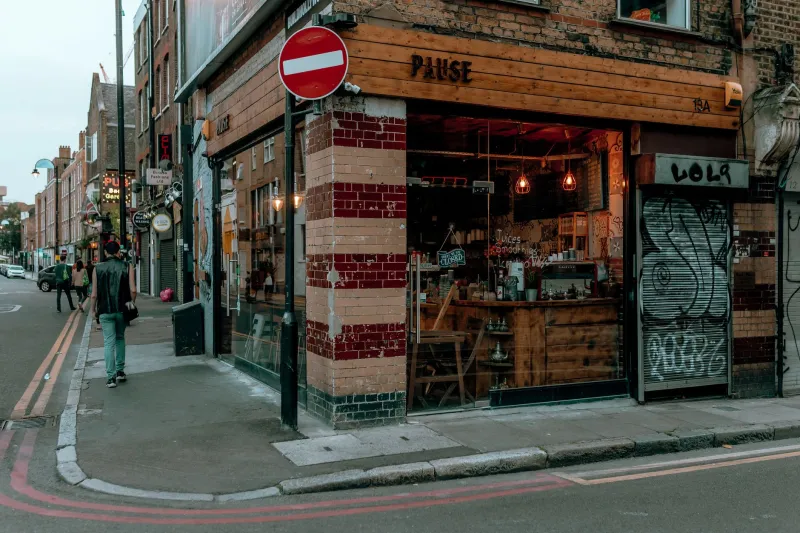
 Photo: Oxford Street, via www.hot-dinners.com
The Algorithm Knows Best
Patricia Henderson, a 47-year-old primary school teacher from Woking, was among the first to experience John Lewis's brave new world of digitised judgment. She entered the store on Tuesday morning looking for a simple work dress and has now been in changing room seven for six days, locked in an increasingly desperate battle with a computer that keeps telling her she's 'stylistically inconsistent.'
 Photo: Patricia Henderson, via i1.sndcdn.com
'I thought I knew what suited me,' Patricia tells me through the changing room door, her voice hoarse from what the staff describe as 'extended consultation sessions.' 'I've been dressing myself successfully for four decades. But apparently, my 'style confidence score' is 23 out of 100, which the system classifies as "requires immediate intervention."'
How the System Works (Or Doesn't)
The JL Style Intelligence Suite begins innocuously enough. Customers download an app, answer a few questions about their lifestyle ('How would you describe your weekend aesthetic?'), and upload a photo. The AI then generates what John Lewis calls a 'Comprehensive Style Profile'—essentially a digital autopsy of everything you've ever worn wrong.
The system analyses factors including 'colour harmony,' 'silhouette optimization,' and something called 'trend relevance quotient.' It then assigns you a score between 1 and 100, with helpful suggestions for improvement. The problem is that the suggestions keep changing, the score keeps dropping, and nobody seems able to explain why.
'I started with a score of 61,' explains Margaret Collins, a retired librarian from Guildford who's been using the system for three weeks. 'The AI suggested I swap my "dated bootcut jeans" for "contemporary wide-barrel leg denim." When I did, my score dropped to 58 because apparently wide-leg jeans don't align with my "measured lifestyle indicators." I'm now afraid to leave the house without consulting the app first.'
The Changing Room Crisis
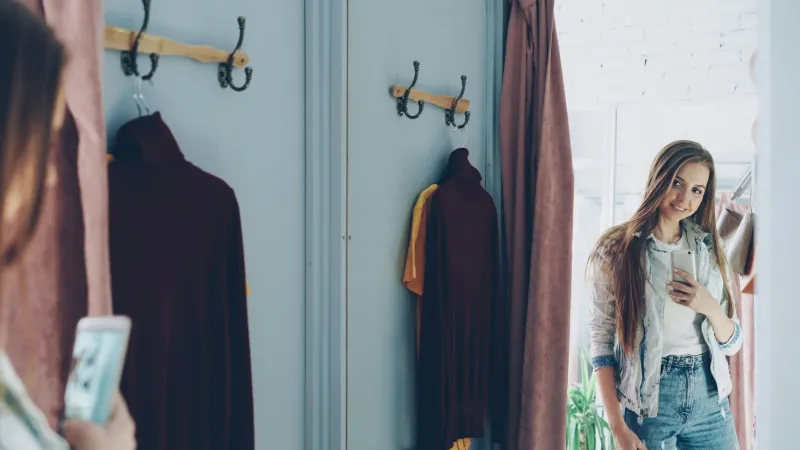
Patricia's situation began normally enough. She selected three dresses—a navy shift, a burgundy wrap style, and a grey A-line—and headed to the changing room. But when she scanned the QR code to 'activate your personalised fitting experience,' everything went sideways.
The AI immediately flagged her choices as 'suboptimal for your body metrics and lifestyle data.' It suggested she try a selection of 'algorithm-approved alternatives' instead. When Patricia politely declined, explaining that she quite liked the navy dress, the system responded with what can only be described as digital passive-aggression.
'Your current selection scores 31% for style relevance,' the app informed her. 'Users who ignored our recommendations reported 67% lower satisfaction with their purchase. Would you like to reconsider?'
The Spiral of Algorithmic Approval
What started as a simple dress purchase has become an existential crisis mediated by artificial intelligence. The system keeps suggesting new items—each supposedly better aligned with Patricia's 'authentic style identity'—but her score continues to plummet with every choice.
'It told me my personal style was "confused suburban professional," which hurt more than it should have,' Patricia admits. 'Then it suggested I needed to "commit to a clearer aesthetic narrative." I don't even know what that means, but apparently, it's essential for a score above 40.'
The AI has now generated 247 different outfit combinations for Patricia, each accompanied by detailed explanations of why her previous choices were 'stylistically counterproductive.' She's tried on everything from 'minimalist executive wear' to 'approachable creative professional,' but the algorithm remains unsatisfied.
The Staff Intervention
John Lewis employees, who were trained on the new system through a series of webinars led by someone called 'Dr. Algorithm,' seem as baffled as the customers. Sales assistant Jenny Morrison has been bringing Patricia cups of tea and words of encouragement since Wednesday.
'We were told the AI would "enhance the customer experience through personalised style intelligence,"' Jenny explains. 'Instead, we've got women crying in changing rooms because a computer told them their favourite cardigan is "aesthetically problematic." Yesterday, a woman from Hampshire asked if she could speak to the algorithm's manager.'
The situation has become so concerning that John Lewis has installed a 'Style Confidence Counsellor'—a newly created position filled by a woman called Serenity who speaks exclusively in affirmations and has never worked in retail before.
The Wider Implications
Patricia's predicament reflects a broader trend in retail technology—the creeping digitalisation of personal taste. What was once a simple transaction (see dress, like dress, buy dress) has become a complex negotiation between human preference and algorithmic authority.
'I used to trust my own judgment,' says Caroline Wright, a marketing executive from Richmond who achieved a style score of 34 and immediately deleted the app. 'Now I second-guess everything. Yesterday, I stood in my wardrobe for twenty minutes wondering if my favourite blazer was "aesthetically coherent" or just familiar. The AI has colonised my brain.'
The Resistance Movement
A small but growing group of John Lewis customers has begun what they're calling the 'Analog Shopping Movement'—deliberately avoiding the digital styling system and making purchases based on the revolutionary concept of personal preference.
'I've gone back to shopping like it's 1985,' declares Helen Patterson from Berkshire, who achieved a style score of 19 and had what she describes as a 'complete breakdown' in the lingerie department. 'If I like something and it fits, I buy it. The computer can keep its opinions to itself.'
The Current Situation
As of this writing, Patricia remains in changing room seven, though she's made some progress. Her style score has improved to 29, mainly because she agreed to swap her sensible court shoes for something the AI calls 'contemporary block-heel mules.' She's also downloaded a meditation app at Serenity's suggestion and has been practicing what John Lewis calls 'style acceptance breathing.'
'I just want to buy a dress and go home,' Patricia sighs during our latest conversation. 'But the algorithm says I'm "on the verge of a breakthrough" and that abandoning the process now would be "counterproductive to my style journey." I don't remember signing up for a journey. I just wanted something for parents' evening.'
John Lewis has announced plans to roll out the Style Intelligence Suite to all their stores by Christmas, promising an 'even more sophisticated understanding of customer aesthetic needs.' Somewhere in Surrey, Patricia's husband is still waiting for her to come home from what was supposed to be a quick shopping trip.
The future of fashion retail has arrived, and it's trapped in a changing room, asking an AI for permission to like what it sees in the mirror.