I Subscribed to a 'Luxury Resale Concierge' and a Man Named Jasper Told Me My Beloved Zara Blazer Was 'Culturally Ineligible for Resale'
The Promise of Effortless Elegance
It began, as these things often do, with a targeted Instagram advertisement that seemed to understand my soul. 'Transform your wardrobe chaos into curated cash,' it promised, featuring a woman in what appeared to be a £3,000 jumper holding a vintage Hermès bag like it was a newborn lamb. The service was called 'Preloved & Privileged,' and for £95 monthly, they would handle the 'complex emotional labour' of selling my unwanted clothes.
Jasper arrived at my flat in Clapham wearing what I can only describe as aggressively neutral linen and carrying a leather portfolio that probably cost more than my monthly rent. He introduced himself as a 'Luxury Resale Strategist' with fifteen years of experience in 'wardrobe asset management.' I offered him tea; he requested oat milk specifically sourced from a farm in the Cotswolds.
The Audit Begins
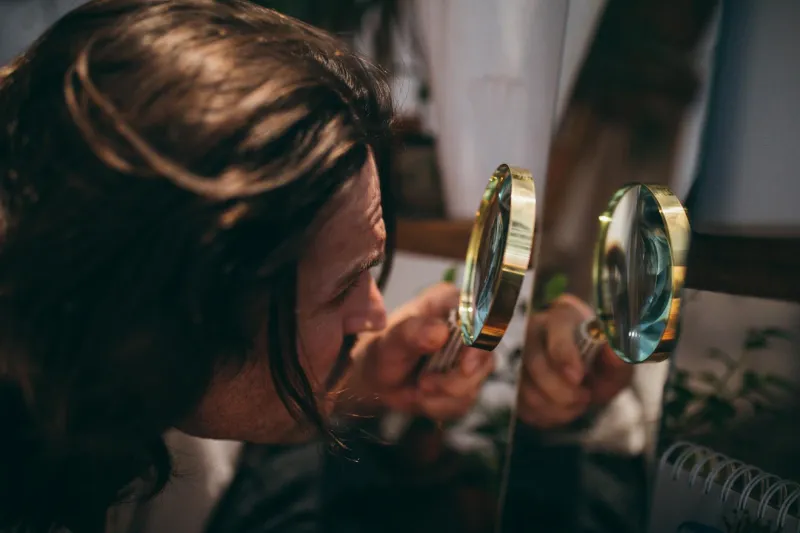
Jasper's methodology was thorough to the point of clinical. He photographed each garment from seventeen different angles, consulted what appeared to be a laminated chart of 'Resale Viability Metrics,' and made notes in a Moleskine notebook using a fountain pen that he assured me was 'ethically sourced.'
My wardrobe, which I had always considered reasonably sophisticated, was systematically dismantled before my eyes. The Cos jumper I'd worn to three job interviews? 'Mid-market positioning with limited secondary appeal.' The Arket trousers that had seen me through lockdown? 'Sustainable credentials undermined by democratic price point.'
The Zara Incident
Then came the moment that would haunt my dreams. Jasper lifted my navy Zara blazer—the one that had accompanied me to university graduations, first dates, and that presentation where I finally got promoted—and his face assumed the expression of a man who had discovered something unspeakable in his quinoa.
'I'm afraid this piece is culturally ineligible for resale,' he announced, holding the blazer at arm's length as though it might contaminate his linen ensemble. 'The brand positioning creates what we call a 'value paradox' in the luxury resale ecosystem.'
Apparently, my blazer existed in a fashion purgatory—too expensive for charity shops, too common for luxury resale platforms. It was, in Jasper's professional opinion, 'democratically accessible but culturally aspirational,' which translated to 'completely worthless in the eyes of people who matter.'
The Hierarchy Revealed
Over the next two hours, Jasper constructed an elaborate caste system of my clothing. At the top sat a Ganni dress I'd bought in a moment of financial recklessness—apparently worth £180 on the resale market despite costing £295 new. Below that, a careful hierarchy of 'investment pieces' versus what Jasper termed 'landfill adjacents.'
My beloved Uniqlo cashmere jumper, worn thin with love and countless washes, was dismissed as 'fast fashion masquerading as quality.' A vintage band t-shirt from Camden Market that had cost £15 and countless compliments was deemed 'culturally significant but commercially unviable.'
The Emotional Toll
By the time Jasper had finished his assessment, I felt like I'd failed some sort of invisible examination. Apparently, my wardrobe reflected 'confused brand loyalty' and 'democratised luxury consumption patterns.' He recommended I invest in fewer, more expensive pieces—specifically mentioning a £800 white t-shirt that would 'retain cultural capital across multiple resale cycles.'
The final insult came when Jasper suggested I might benefit from his premium service tier, which included 'Wardrobe Psychology Coaching' and 'Investment Piece Procurement Guidance.' For an additional £150 monthly, he would help me 'rebuild my fashion identity around resale-optimised purchasing decisions.'
The Reckoning
After Jasper left—taking with him a single Ganni dress and leaving behind a seventeen-page report on my 'Style Asset Portfolio'—I sat among my newly categorised clothes and felt a profound sense of absurdity. When had my wardrobe become a financial instrument? When had the joy of getting dressed been replaced by calculations of depreciation rates and brand hierarchy?
The Zara blazer still hung in my wardrobe, apparently worthless in the eyes of the secondhand luxury market but priceless in its ability to make me feel capable and confident. It had survived job interviews, breakups, and Jasper's withering assessment. Unlike the luxury resale ecosystem, it asked for nothing but a good dry clean and the occasional lint roller.
The Lesson Learned
Three weeks later, I cancelled my subscription to Preloved & Privileged and sold my Zara blazer to a colleague for £20. She wore it to her own job interview and got the position. Somewhere in Shoreditch, Jasper is probably calculating the cultural capital of someone else's H&M collection, but my wardrobe and I have reached a peaceful understanding: some things are worth more than their resale value.
The luxury resale market may have its place in the circular economy, but perhaps that place isn't in my bedroom, judging my choices with a laminated chart and a fountain pen. After all, the most sustainable fashion choice might just be loving what you already own—even if it's culturally ineligible for anything except making you feel fabulous.