Breaking: Next Confronts Its Polyester Past
In scenes that can only be described as retail penance, Next has announced its most ambitious rebranding exercise since deciding to sell furniture alongside skinny jeans. The high street stalwart, which clothed Britain's youth through the noughties with the determination of a military operation, has unveiled its 'Heritage Collection'—a curated selection of 'timeless pieces for the conscious consumer.'
The announcement, made via a press release printed on recycled paper and hand-delivered by bicycle couriers wearing organic hemp uniforms, marks a dramatic departure from the retailer's previous strategy of 'flood the market with affordable trends and see what sticks.'
The Great Reconciliation Project
Perhaps most remarkably, Next has launched what industry insiders are calling 'The Great Reconciliation Project'—a systematic attempt to contact every customer who purchased what the company now terms 'regrettable fashion choices' between 2003 and 2012.
Jenna Morrison, 34, from Croydon, was among the first to receive her personalised apology letter. 'It arrived this morning with a wax seal and everything,' she reported, still clutching the heavyweight paper. 'They specifically mentioned the silver platform boots I bought for my 18th birthday and offered me a 40% discount on their new 'Earth-Conscious Footwear Range' as compensation for what they called my 'compromised ankle health and dignity.'
The letter, signed by someone identified only as 'Seraphina, Head of Karmic Customer Relations,' includes a detailed breakdown of the environmental impact of Morrison's historical purchases, along with suggestions for 'healing the fashion trauma' through mindful consumption practices.
From Polyester Paradise to Sustainable Sanctuary
Next's transformation appears to be comprehensive. The company has reportedly hired a team of 'retail anthropologists' to examine the psychological damage inflicted by their previous collections. Early findings suggest that the widespread distribution of bodycon dresses between 2008-2011 may have contributed to what researchers are calling 'a generation-wide confidence crisis.'
'We recognise that our aggressive pursuit of trend-led fashion may have encouraged impulsive purchasing decisions that customers later regretted,' explained Araminta Featherstone-Wells, Next's newly appointed Director of Conscious Commerce. 'We're committed to healing these wounds through elevated basics and therapeutic shopping experiences.'
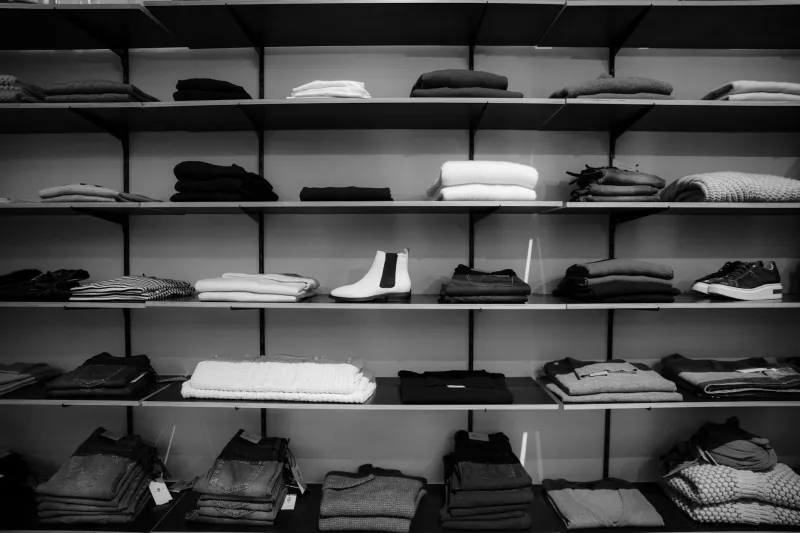
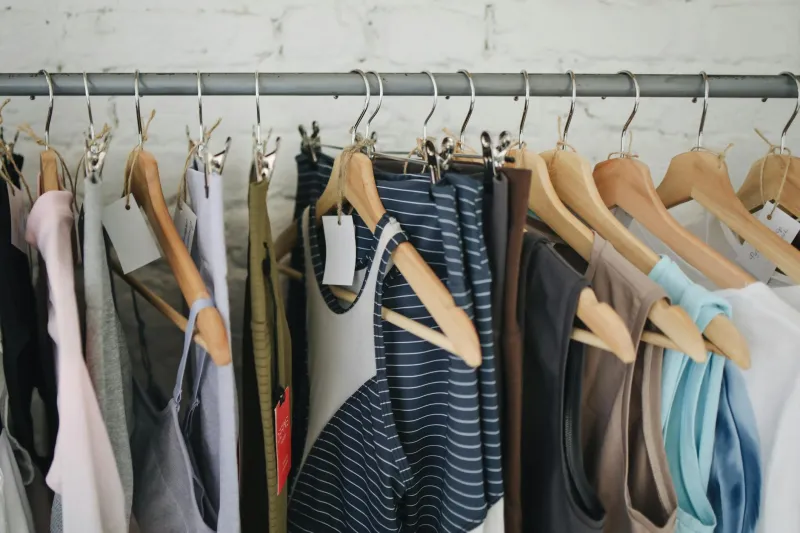
The Heritage Collection, displayed in stores that have been redesigned to resemble upmarket meditation centres, features exclusively natural fibres and what the company describes as 'investment pieces for the mindful wardrobe.' Prices start at £89 for a basic white t-shirt, which comes with a certificate of authenticity and a guarantee that it was 'ethically sourced from conflict-free cotton farms.'
Customer Rehabilitation Programme
The retailer has also launched a comprehensive customer rehabilitation programme, offering complimentary 'shopping addiction counselling' to anyone who spent more than £500 in their stores during what they're now calling 'the dark years.' The programme, run from a converted barn in the Cotswolds, includes group therapy sessions, mindfulness workshops, and what's described as 'retail detoxification through sustainable lifestyle coaching.'
Melanie Roberts, who received her invitation after purchasing seventeen pairs of skinny jeans in 2009, described her experience as 'unexpectedly emotional.' 'I thought I was just going for a free weekend away, but they really made me confront my relationship with fast fashion. By Sunday, I was weeping over a hemp-blend cardigan and promising to never impulse-buy again.'
The Scented Candle Situation
Perhaps the most visible sign of Next's transformation is the introduction of their 'Lifestyle Curation' sections, where customers can now purchase artisanal candles with names like 'Mindful Monday' and 'Sustainable Sunday.' The candles, priced at £45 each, are reportedly made from 'ethically sourced beeswax and intention-infused essential oils.'
Early customer feedback has been mixed. 'I went in looking for a jumper and came out with a £45 candle that smells like disappointment and hemp,' reported one confused shopper. 'The sales assistant kept talking about my 'consumption journey' and asking if I'd considered whether I really needed the jumper or just thought I did.'
Industry Experts Weigh In
Retail analysts are watching Next's transformation with fascination and mild concern. Professor Margaret Thornberry from the Institute of Commercial Psychology suggests that the company's approach represents 'either a revolutionary reimagining of high street retail or the most elaborate corporate midlife crisis in British commercial history.'
 Photo: Institute of Commercial Psychology, via bluecore-logistics.co.za
'The decision to personally apologise to customers for previous purchases is unprecedented,' Thornberry explained. 'Though one does wonder about the legal implications of admitting that your entire business model for a decade was essentially psychological warfare disguised as affordable fashion.'
The Future of Mindful Retail
Next's rebranding appears to be part of a wider trend toward what industry insiders are calling 'conscious consumption guilt.' Other high street retailers are reportedly watching the experiment with interest, though none have yet committed to similar reconciliation programmes.
Meanwhile, customers continue to receive their personalised apology letters, each one apparently tailored to their specific purchasing history. Recipients report receiving detailed analyses of their fashion choices, complete with psychological profiles and recommendations for 'healing their relationship with self-expression through clothing.'
As one letter recipient noted: 'They somehow knew about the lime green mini skirt I bought for a night out in 2006 and never wore. How do they even have records going back that far? And why do they care so much about my emotional wellbeing now when they were perfectly happy to sell me platform flip-flops fifteen years ago?'
The Bottom Line
Whether Next's Heritage Collection represents genuine corporate evolution or an elaborate marketing exercise disguised as spiritual awakening remains to be seen. What's certain is that the company has successfully transformed the simple act of buying a jumper into an opportunity for deep personal reflection and potential emotional breakthrough.
For now, British consumers find themselves in the unusual position of being therapeutically counselled by their local Next store while simultaneously being charged £89 for a t-shirt that their mothers could have bought them from M&S for £12.
Progress, it seems, comes at a premium.