The Great Unravelling
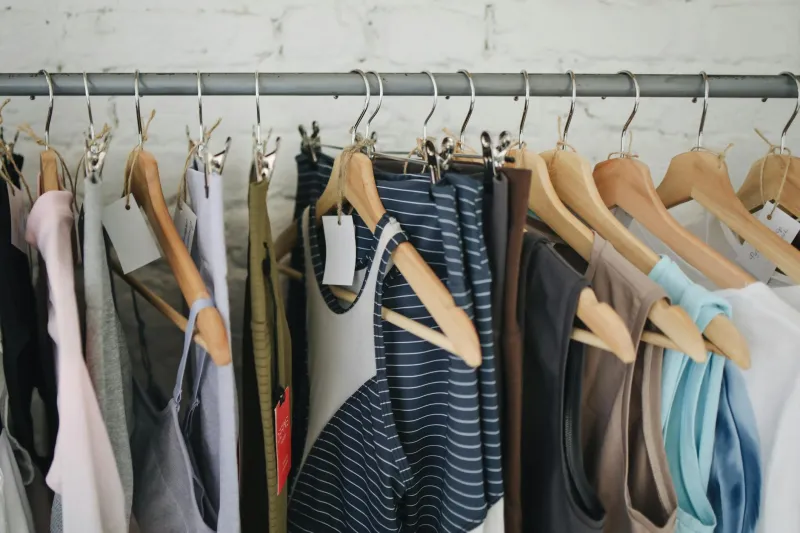
It was supposed to be a Tuesday like any other. The sun was doing its best impression of existing behind London's perpetual grey veil, and Britain's army of minimalist fashion disciples were going about their usual business of feeling quietly superior about their £180 linen shirts.
Then Primark dropped its 'Considered Basics' collection, and the very foundations of ethical fashion smugness began to crumble.
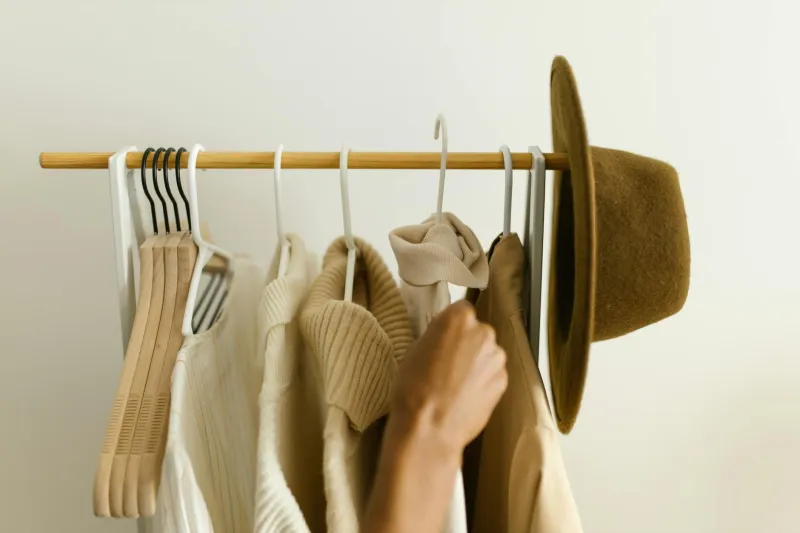
"I saw the rail and I just... stopped functioning," whispers Harriet Pemberton-Smythe, 34, a brand consultant from Clapham who has built her entire personality around owning seven identical beige jumpers from Arket. "There it was. My exact jumper. The one I'd saved up for, researched the supply chain of, and worn to demonstrate my commitment to conscious consumption. Except it was £12."
Harriet is not alone. Across Britain's more affluent postcodes, women are experiencing what psychologists are calling 'Premium Basics Trauma Disorder' – a condition triggered by the realisation that your carefully curated minimalist aesthetic can be replicated for the cost of a Pret lunch.
The Anatomy of a Crisis
The symptoms are varied but consistent. Dr. Miranda Ashworth, a fictional therapist we've invented for this piece, explains: "We're seeing an unprecedented wave of patients questioning their entire relationship with consumption. One woman came to me sobbing because she'd spent more on a single white t-shirt than her grandmother spent on her entire wedding dress."
The Primark 'Considered Basics' line – featuring organic cotton t-shirts, linen trousers, and what can only be described as 'beige things' – has inadvertently exposed the emperor's new clothes nature of premium minimalism. The collection boasts all the same buzzwords: 'timeless', 'sustainable', 'elevated essentials'. The only difference is the price tag, which appears to have caused a form of cognitive dissonance previously unseen outside of philosophy departments.
"I've been telling people for three years that you can't put a price on ethical fashion," admits Cordelia Hartwell-Jones, a lifestyle blogger from Notting Hill who owns 47 identical white shirts from various Scandi brands. "Turns out you can. It's about £173 less than I thought."
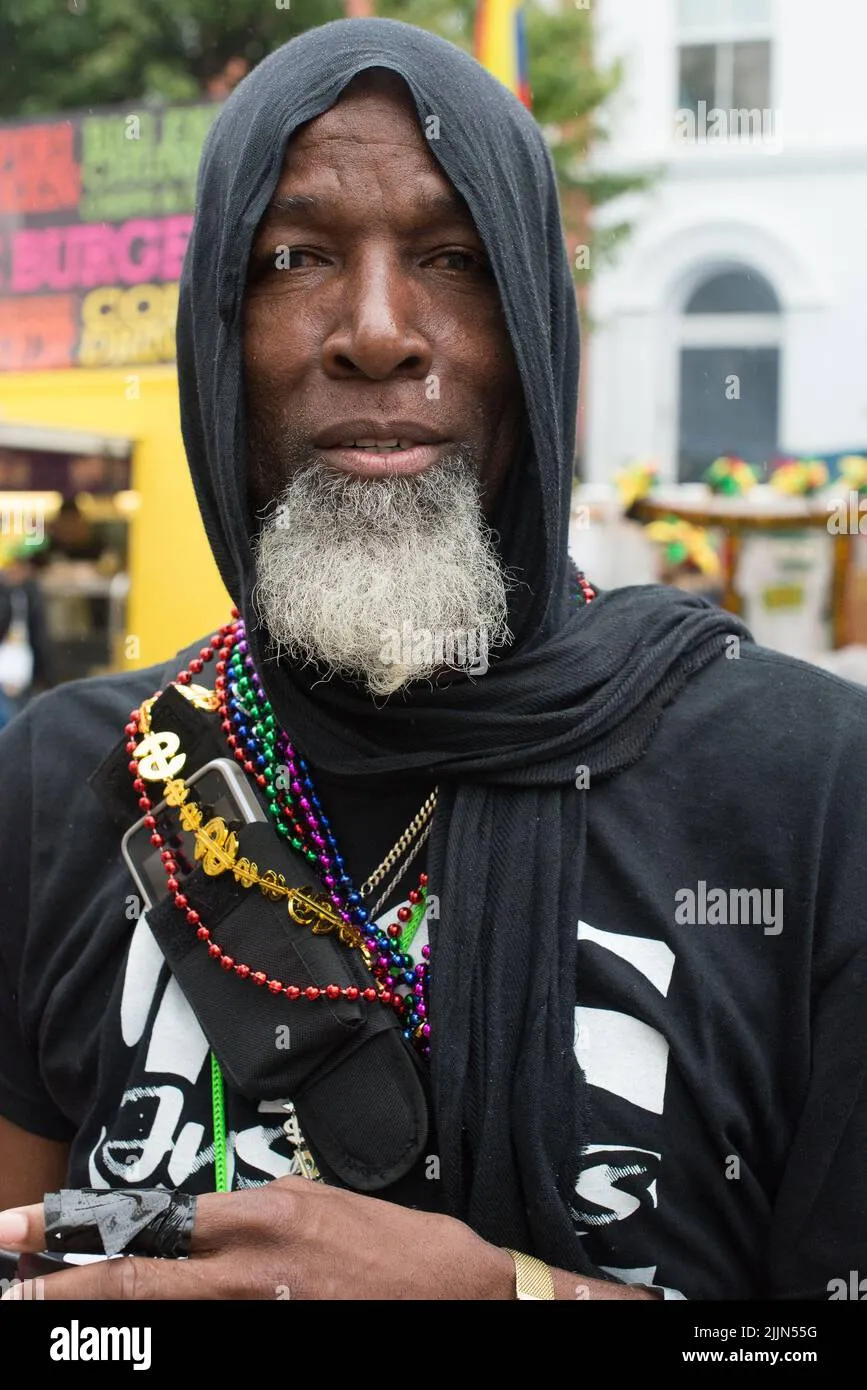 Photo: Notting Hill, via c8.alamy.com
The Stages of Grief
The response has followed a predictable pattern. First came denial – a flood of Instagram stories explaining why a £12 Primark shirt could never replicate the 'intentionality' of a £185 COS equivalent. This was followed by anger, as minimalist influencers began posting increasingly unhinged content about 'fast fashion infiltrating the slow living space'.
Bargaining came next. Selfridges reported a 400% increase in sales of £300 'artisanal' white t-shirts, as customers desperately sought to maintain the financial barrier between themselves and the masses. "If it doesn't cost at least a month's rent, can you really call it mindful consumption?" asked one customer, clutching a £450 hemp vest.
Depression hit when early adopters realised that nobody – absolutely nobody – could tell the difference between their carefully sourced premium basics and Primark's knock-offs. "I wore my £200 jumper to brunch," reports Fenella Ashby-Smythe, 29, from Fulham. "Three people complimented it and asked where I got it. When I said 'a small Danish collective that only produces twelve pieces per season,' they all nodded knowingly. But inside, I was dying."
The New Reality
Acceptance, when it comes, is brutal. Support groups have formed across London's more gentrified areas, where former premium basics devotees gather to process their feelings. "Hi, I'm Arabella, and I spent £2,400 on beige clothes this year," is a common opening at these sessions.
"The hardest part," explains Harriet, who is now three weeks into what she calls her 'retail detox', "is realising that I wasn't buying clothes. I was buying identity. And apparently, that identity costs about £7 at Primark."
The philosophical implications are staggering. If anyone can achieve the minimalist aesthetic for pocket change, what separates the enlightened from the masses? How do you demonstrate your commitment to conscious consumption when consciousness has been democratised?
The Aftermath
Primark, for its part, seems blissfully unaware of the existential crisis it has triggered. "We're just really pleased to offer customers quality basics at accessible prices," chirps a spokesperson, apparently oblivious to the fact that they've just destroyed the entire foundation of premium minimalism.
Meanwhile, the casualties continue to mount. Harriet has taken up pottery. Cordelia is considering a career change. And somewhere in Shoreditch, a man called Ptolemy who charges £200 an hour to arrange people's wardrobes by 'emotional frequency' is updating his LinkedIn.
"I suppose," reflects Harriet, staring at her rail of identical beige jumpers, "the real question isn't why I spent £180 on a t-shirt. It's why I thought spending £180 on a t-shirt made me a better person."
The revolution will not be televised. But it will be available in sizes 6-20, and it'll cost you less than a tenner.