The Great Personality Purge of 2024
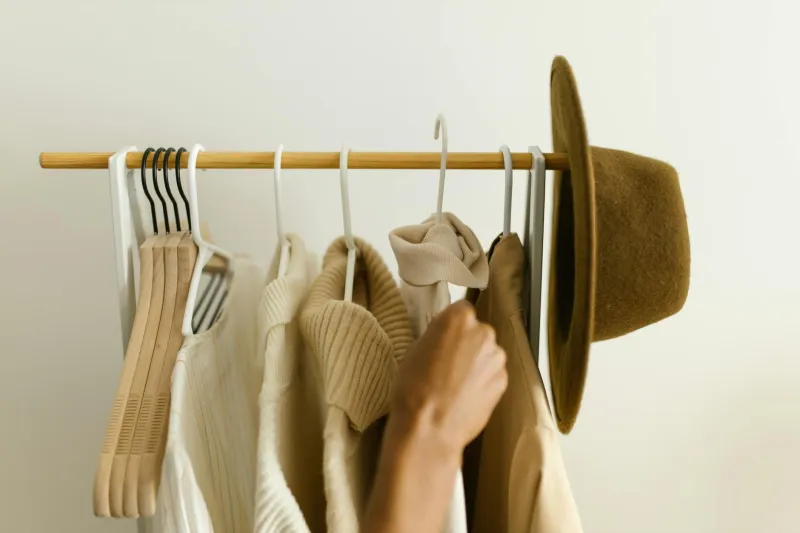
In scenes reminiscent of a dystopian novel written by someone who exclusively shops at COS, Zara has unveiled its 'Studio Collection' – a range of garments so aggressively minimalist that purchasing any item requires customers to sign a legally binding agreement to never acknowledge their previous retail enthusiasm.
The collection, which launched last Tuesday to queues that snaked around three postcode areas, features such revolutionary pieces as a white cotton shirt (£79), black trousers (£89), and a beige blazer (£129) – items so groundbreaking in their ordinariness that every fashion influencer in London has simultaneously developed amnesia about ever owning anything with a pattern.
The Cognitive Dissonance Department
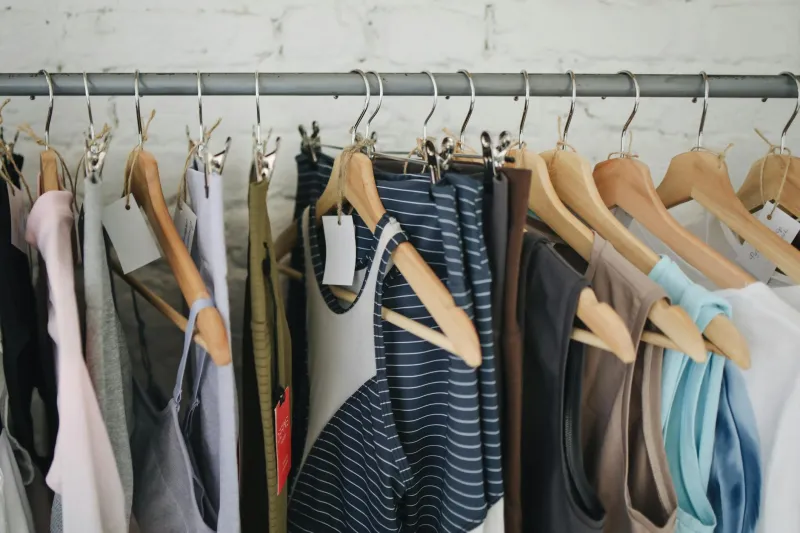
Witnesses report scenes of profound psychological disturbance at Zara's flagship Oxford Street store, where women who once proudly documented their £12 crop top hauls on Instagram were seen clutching £95 linen shirts whilst loudly declaring they'd 'always been minimal' to anyone within earshot.
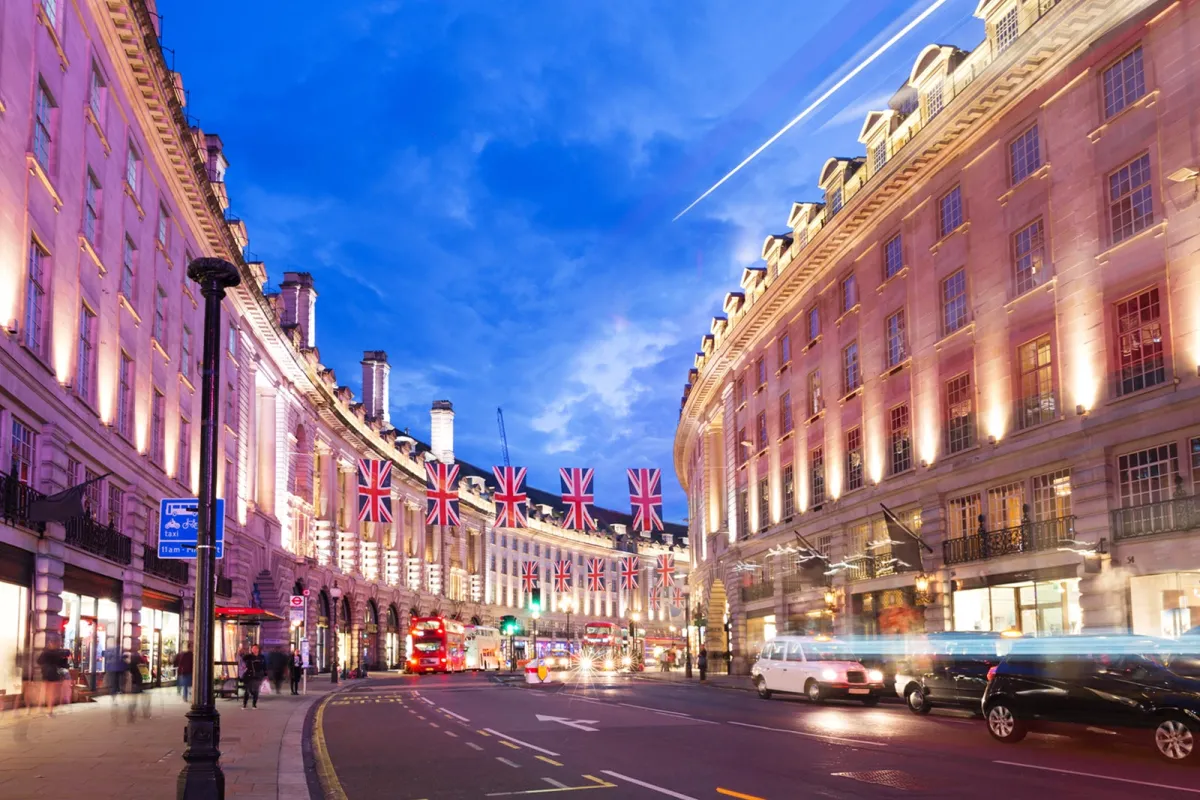 Photo: Oxford Street, via a.cdn-hotels.com
"I've never been one for fast fashion," announced Gemma, 28, from Clapham, apparently forgetting that her Instagram story from last week featured a try-on haul of seventeen items from the regular Zara range. "I'm all about investment pieces now. Quality over quantity."
Gemma was observed purchasing six items from the Studio Collection, which retail analysts confirm is mathematically identical to her previous shopping behaviour, just with added moral superiority.
The Selective Memory Clinic
Dr Sarah Pemberton, Professor of Retail Psychology at the University of Commerce (fictional, but sounds authoritative), explains the phenomenon: "What we're witnessing is mass-scale retroactive personality adjustment. Women are quite literally rewriting their own shopping histories to accommodate their new identity as 'conscious consumers' who definitely didn't spend last summer's rent money on polyester mini dresses."
 Photo: University of Commerce, via www.samglobaluniversity.ac.in
The Studio Collection's marketing campaign features the tagline 'For Those Who Always Knew' – a phrase so psychologically manipulative that several advertising standards complaints have been filed by women's own mothers, citing evidence in the form of teenage bedroom photos featuring walls covered in fast fashion hauls.
The Uniform of Reformed Shoppers
Early adopters of the Studio Collection have developed a distinctive look: the thousand-yard stare of someone trying to convince themselves that a £89 pair of black trousers represents a spiritual awakening rather than the exact same impulse purchase behaviour with added financial punishment.
"These aren't just trousers," explains Charlotte, 31, from Islington, holding up what appears to be standard black trousers. "They're a statement about who I am as a person. Someone who values craftsmanship. Someone who's always valued craftsmanship."
When pressed about the seventeen pairs of Zara trousers already hanging in her wardrobe, Charlotte's eye began to twitch and she muttered something about 'different times' before hurrying away to queue for a £65 white t-shirt.
The Support Group Phenomenon
Such has been the psychological impact of the Studio Collection launch that support groups have spontaneously formed across London's more affluent postcodes. These gatherings, held in minimalist coffee shops that charge £4.50 for oat milk, feature women sharing their struggles with maintaining their new 'always been minimal' personas.
"I nearly slipped yesterday," confesses one member, who wishes to remain anonymous. "I saw a floral midi dress in the regular section and felt actual joy. But then I remembered I'm a Studio Collection person now. I only feel appropriate emotions about beige."
The groups have developed a twelve-step programme, beginning with admitting powerlessness over their previous shopping habits and ending with a solemn vow to never again experience pleasure from clothing that costs less than £70.
The Economic Impact
Retail economists are fascinated by the Studio Collection's business model, which appears to be based entirely on charging double for the same aesthetic whilst requiring customers to undergo personality reconstruction.
"It's genius, really," explains fictional economist Dr James Threadgold. "They've managed to monetise cognitive dissonance. Women are literally paying extra to feel guilty about their previous shopping habits while simultaneously continuing those exact same habits."
Early sales figures suggest the collection is performing beyond expectations, with some items selling out within hours to customers who were photographed shopping in the regular Zara section the previous day.
The Cultural Reckoning
Perhaps most concerning is the broader cultural impact of the Studio Collection phenomenon. Across Britain's coffee shops and co-working spaces, conversations have become increasingly surreal as women attempt to maintain their new minimalist personas whilst surrounded by evidence of their colourful sartorial past.
"I've always been drawn to neutral tones," insists one Studio Collection convert, apparently unaware that her social media presence from six months ago resembles a rainbow that exploded in a Topshop.
As the Studio Collection continues its march across Britain's wardrobes and consciences, one thing remains clear: the real luxury item isn't a £129 beige blazer – it's the ability to maintain a straight face while pretending your personality underwent a complete transformation the moment you discovered 'elevated basics'.
The collection remains available in stores and online, though purchasing requires customers to pass a brief interview confirming they've never experienced joy from anything leopard print.