Topshop's Digital Afterlife Has Created Britain's First Generation of Retail Ghosts
The Scene of the Crime
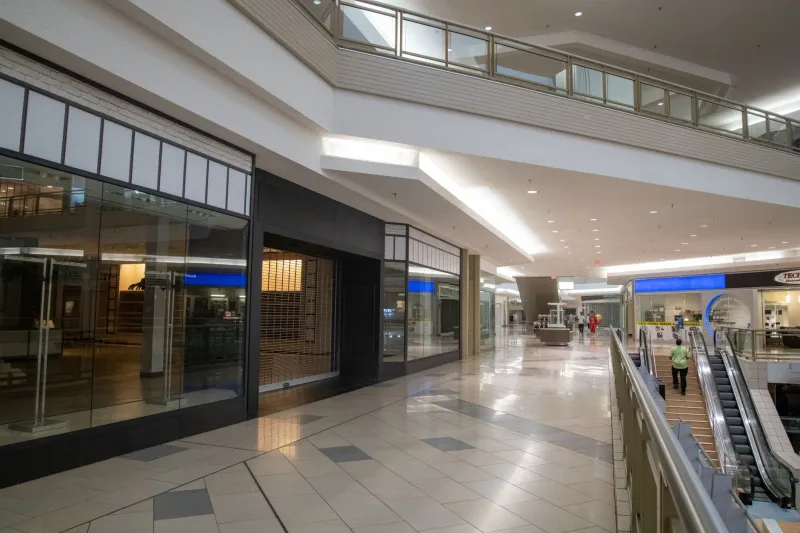
Where once stood Britain's most democratic fashion destination – a four-storey temple to accessible trends and questionable life choices – there now sits a void so profound that even Google Maps seems depressed about it. The Oxford Circus Topshop flagship, which closed in 2021, has left a crater in the British psyche that no amount of ASOS hauls can fill.
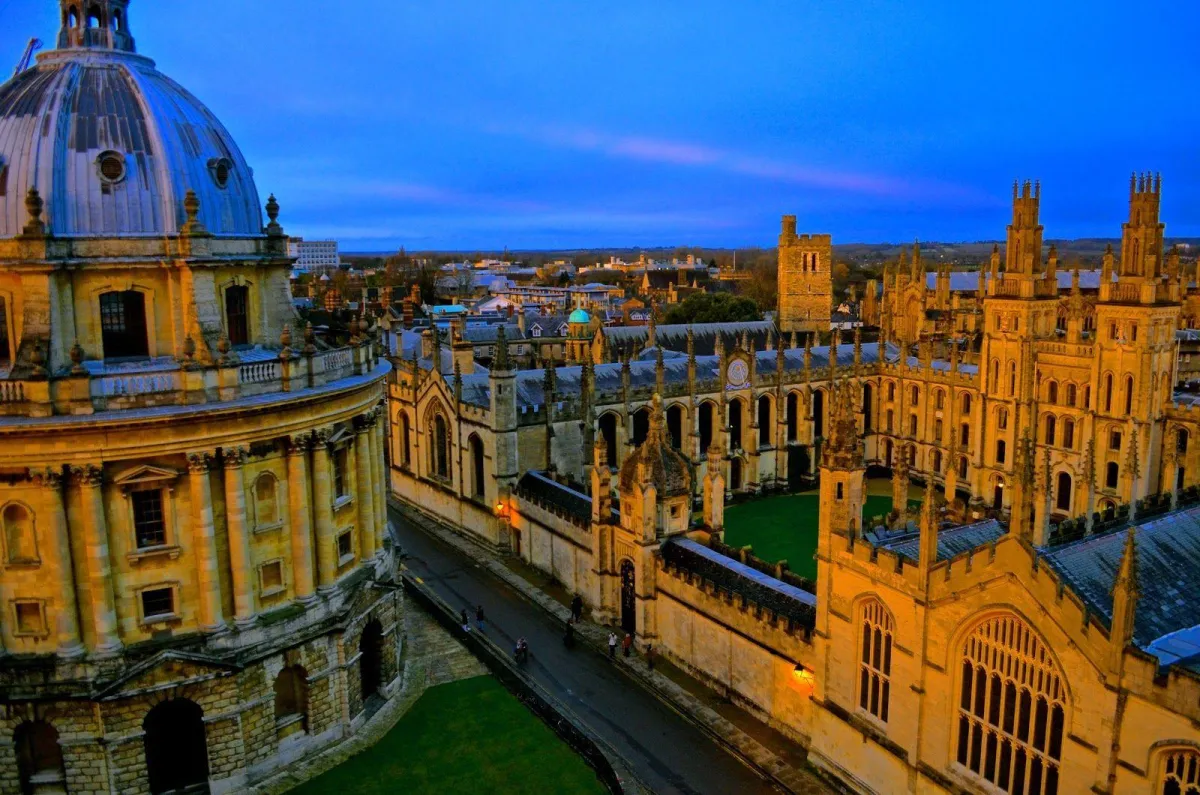 Photo: Oxford Circus, via wallpaperaccess.com
For women between the ages of 25 and 40, Topshop wasn't just a shop – it was a rite of passage, a cultural institution, and quite possibly the reason they have trust issues with changing room lighting. The brand's online resurrection through Next feels like being offered a photograph of your childhood home after it's been demolished: technically accurate, but missing the soul.
"I still automatically get off at Oxford Circus sometimes," admits Rachel Morrison, 32, a marketing manager who estimates she spent approximately £3,000 at Topshop between 2008 and 2015. "I'll be walking down Regent Street and my muscle memory kicks in. I'll find myself standing outside what used to be the entrance, feeling like I'm at a funeral that no one else is attending."
 Photo: Regent Street, via images-na.ssl-images-amazon.com
The Phantom Escalator Effect
Psychologists have identified a new phenomenon they're calling 'Phantom Escalator Syndrome' – the involuntary mental recreation of navigating Topshop's iconic moving staircase system. Sufferers report dreams about riding escalators that lead to floors that no longer exist, populated by rails of clothes that were probably made in conditions they'd rather not think about.
Dr. Susan Whitmore, who specialises in consumer psychology, explains: "The Oxford Circus Topshop represented a specific kind of freedom – the freedom to reinvent yourself for £30 on a Saturday afternoon. When that physical space disappeared, it took with it a crucial part of many women's identity formation process."
 Photo: Dr. Susan Whitmore, via en.gruppobardelli.com
The escalators themselves have achieved almost mythical status in the collective memory. They were slow enough to build anticipation, fast enough to create urgency, and perfectly positioned to provide a panoramic view of fashion choices you were about to regret. No online shopping experience can replicate the specific anxiety of riding up to the dress department while mentally calculating your overdraft limit.
Digital Resurrection, Spiritual Emptiness
Topshop's current incarnation as a section of the Next website feels like attending your own funeral and discovering you've been reduced to a PowerPoint presentation. The clothes are technically the same – overpriced basics with enough trend-awareness to feel current – but the experience has been sanitised beyond recognition.
"I ordered a Topshop dress online last month," reports Jenny Clarke, 28, from Manchester. "It arrived in a Next-branded package and I genuinely felt like I was receiving stolen goods. The dress was fine, but wearing it felt like identity theft. I was cosplaying as my 2019 self."
The psychological impact extends beyond individual shopping habits. For many women, Topshop represented their first experience of fashion democracy – a place where a student budget could access runway-adjacent trends. The online version, filtered through Next's more sensible aesthetic, feels like having your teenage diary edited by your mother.
The Great Pilgrimage Site Shortage
With Topshop's physical presence reduced to a website subsection, Britain faces an unprecedented shortage of retail pilgrimage sites for young women. H&M lacks the cultural cache, Zara feels too intimidating, and Urban Outfitters requires a trust fund and a philosophy degree to navigate successfully.
"Where do teenage girls go now to make terrible fashion choices in a supportive environment?" asks retail anthropologist Professor James Hartwell. "Topshop was the safe space for experimental dressing. It was where you could try being a different person for the price of a crop top. That's a crucial developmental milestone that we've just... lost."
The absence has created a generation of retail ghosts – women who still instinctively know exactly which tube exit to take for Topshop, who can navigate the old store layout in their sleep, but who now find themselves wandering aimlessly through shopping centres looking for something that no longer exists.
The Grief Economy
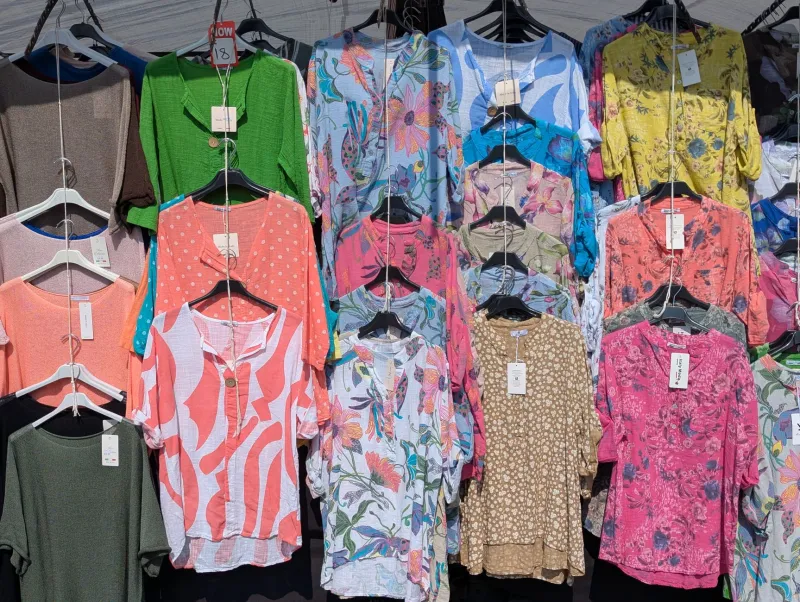
Interestingly, Topshop's disappearance has created its own micro-economy of nostalgia. Vintage Topshop pieces now sell on Depop for more than they cost new, with sellers adding extensive historical context about which era of the brand each item represents.
"I sold a Topshop blazer from 2016 for £80 last week," reports Depop seller Katie Williams, 24. "The buyer messaged me asking if I could confirm it was from the 'before times' – meaning before the brand died. There's a whole generation treating pre-2020 Topshop like archaeological artifacts."
The phenomenon has extended to social media, where #TopshopMemories hashtags generate thousands of posts featuring grainy changing room selfies and receipts from shopping trips that feel like historical documents.
Learning to Love Again (Or Not)
For the Topshop generation, the question remains: can you ever truly love another high street brand the same way? Early evidence suggests not. The relationship with Topshop was forged during crucial identity-forming years, creating neural pathways that no amount of Zara hauls can rewire.
"I've tried to replace it," admits Morrison, still standing outside the former Oxford Circus location. "I've had relationships with other brands. But nothing feels the same. I think Topshop might have been my fashion soulmate, and I'm just going to have to accept that some people only get one."
The digital afterlife continues, pixels and algorithms attempting to recreate magic that was always about more than clothes. For now, Britain's retail ghosts continue their eternal haunting, forever riding phantom escalators to floors that exist only in memory.